

Irrigate cover crops for better emergence





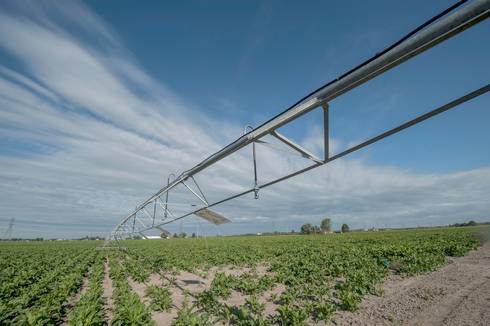
Producers trying to “water-up” broadcast cover crops or seed spread on the soil surface need to plan irrigation and near future potential rainfalls to create a time period of four to five days with a wet soil surface. This may take two applications on bare soils, while fields with heavy crop residue may be able to get by with one application.
Cover crops that are drilled or disked in benefit from the soil contact to germinate. If soil is dry, apply enough water – 0.3 inch in sandy soils or 0.5 inch in loamy sands – to wet the top 4-6 inches of the soil profile.
In most areas, rainfall will be sufficient to germinate cover crop seed, but every winter somewhere in Michigan or Indiana, I’ll have a producer tell me how their cover crop didn’t germinate soon enough to get a good fall growth and be beneficial. The big cost is in the land and equipment, which is already made; the small investment in energy and time to water up the cover crop will often overshadow the energy and labor cost in the long run. It is another example of how irrigation can increase the efficiency of most of our resource inputs in the crop.
– Lyndon Kelley, Michigan State University Extension