

Groups call for ban on PEI fresh potatoes after report of new potato wart detection
The National Potato Council joined 13 state potato organizations in calling for an immediate reinstatement of a ban on fresh potato imports from Prince Edward Island after detection of potato wart in a previously unregulated field.





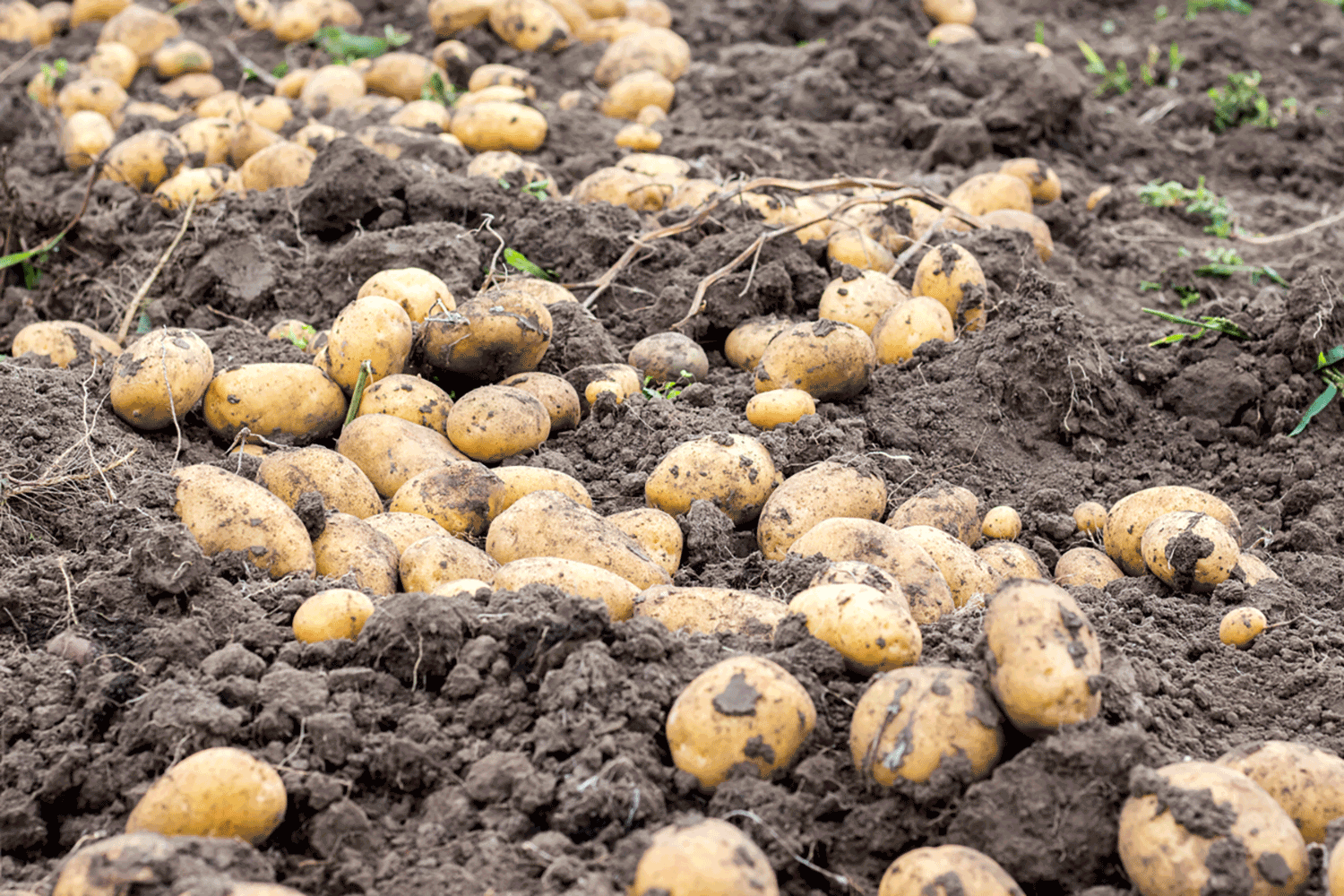
The National Potato Council (NPC) joined 13 state potato organizations in calling for an immediate reinstatement of a ban on fresh potato imports from Prince Edward Island (PEI), Canada, after detection of potato wart in a previously unregulated field.
NPC CEO Kam Quarles told Spudman that USDA’s Animal and Plant Health Inspection Service (APHIS) informed the advocacy organization of the new detection in the last few days.
“The disease has gotten out of the regulated area” on PEI, resulting in more than 1,000 additional acres needing to now be regulated, Quarles said.
“Given that this new detection has occurred in an entirely new field without any association with previous finds, it reinforces our continued concerns over the true scope of the disease in PEI production areas,” Quarles wrote in the May 18 letter (.pdf) to Dudley Hoskins, USDA Undersecretary, Marketing and Regulatory Services. “Therefore, we renew our strong objection to allowing imports of fresh potatoes from PEI into the U.S.”
In response to a request for more details from Spudman, the Canadian Food Inspection Agency (CFIA) said via email that the detection was discovered through routine sampling during the agency’s fifth annual national potato wart survey in a single potato field on a farm that does not export potatoes. Potatoes produced on the farm are primarily for on-island processing, with seed potatoes produced for on-farm use only, according to CFIA.
“This recent detection of potato wart on PEI demonstrates that the national potato wart survey is working,” CFIA said. “The survey is designed to detect potato wart at an early stage through systematic, science-based soil sampling. Identifying this detection through routine surveillance supports early response, effective containment and continued confidence in Canada’s plant health system and market access.”
CFIA said it is conducting a comprehensive investigation and is currently soil sampling the fields associated with the new index field.

Potato wart was detected in PEI in 2021 and the U.S. border completely closed to potatoes from the province. Fresh potatoes were allowed back into the U.S. in April 2022, though PEI seed potatoes are still banned.
In March 2025, CFIA implemented new measures to help contain, control and prevent the spread of potato wart in a new national response plan.
“Given that this has all occurred after CFIA has implemented their new potato wart management plan, these are the things that aren’t supposed to happen,” Quarles told Spudman.
He said NPC respects the difficult position a fresh potato ban would put PEI growers in, but “we do not have potato wart in the U.S., and we don’t want it,” he said. “Suspending their ability to ship here is a very reasonable step and hopefully will be followed by them doing rigorous testing.”
A 2023 CFIA investigation into PEI potato wart analyzed nearly 50,000 soil samples from fields associated with the 2021 detections. The probe found potato wart in four additional fields — a result “expected in investigations of this scale,” according to a statement on the CFIA website.
In June 2025, PEI began a buy-back program for designated potato wart index fields in the Canadian province, with CFIA designating 37 sites across the island as index fields, or areas where the soil-borne fungus that causes the disease has been identified.
Potato wart is a hard-to-eradicate pathogen that deforms potatoes and destroys crop yields.
APHIS classifies Potato Wart as a select agent — one of only seven high-consequence plant pathogens listed as severe threats to domestic agriculture. According CFIA data, the fungus can survive in soil for more than 40 years, and no chemical treatments exist to control or eradicate it.
NPC and other industry advocates have long warned of the economic consequences of potato wart introduction in the U.S., where potatoes generate more than $100 billion in annual economic activity and support more than 714,000 jobs. A domestic outbreak would disrupt international fresh potato markets, costing American growers over $225 million in direct annual export losses and billions more in indirect economic damage, NPC said.
Industry organizations have urged APHIS to implement risk-mitigation measures including:
- restricting bulk potato shipments into the U.S.
- limiting large retail shipments and mandating traceback labeling on consumer packages
- imposing stringent controls on agricultural waste generated by processing and bulk handling facilities
The letter noted that federal authorities yet to act on those recommendations.
“Given the disease progression on PEI, coupled with the lack of enhanced phytosanitary actions to date, we strongly urge you to suspend PEI’s ability to ship fresh potatoes into the United States,” the letter reads in part.
State signatories include the Idaho Potato Commission, the Maine Potato Board, Northland Potato Growers Association and the Washington State Potato Commission.
Quarles said NPC was frustrated with previous approaches that treated PEI potato wart concerns as “a diplomatic irritation rather than a phytosanitary issue.”
“I think the administration is going to take this pretty seriously,” he said. “This is a very insidious disease. Every step we’ve seen here has been predicted. This is a disease that wants to get out. It wants to move. And no amount of politics is going to change that.”
Editor’s note: This story has been updated with CFIA comment.