

Stumbling block in trade talks
Real-world consequences stem from federal shutdown





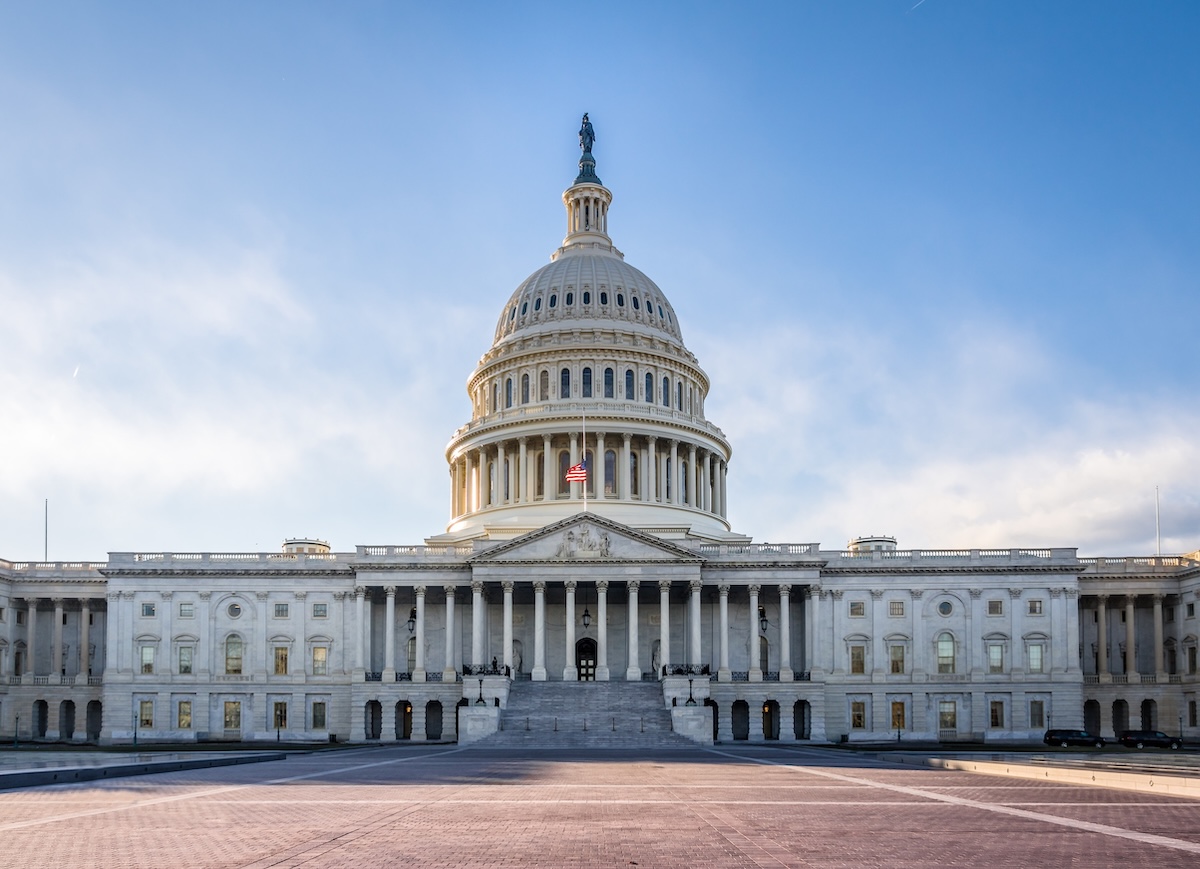
When most Americans think of a government shutdown, they think of political posturing, point-scoring via social media memes and the general messiness of doing business in Washington, D.C. It often seems like a distant drama that doesn’t really touch their lives.
But for U.S. potato growers and the broader American agricultural industry, these funding lapses have real, immediate and costly consequences.

Kam Quarles
As I write this in mid-October, three weeks into the government shutdown, I think back on the missed opportunity to advance a major policy priority: U.S. potato fresh market access in Japan.
I recently traveled to Tokyo with a delegation of potato industry leaders, including Blair Richardson of Potatoes USA and former NPC president Jared Balcom, for what was intended to be a high-level trade mission. Our goal was simple: to leverage the political might of the Trump administration to gain additional market access for America’s potato growers.
This isn’t a small opportunity. The industry estimates that full access to the Japanese market would increase our global fresh potato exports by 10% to 15%, injecting an estimated $150 million annually into the pockets of American potato growers and bolstering paychecks along the entire potato supply chain. It is a long-sought priority that has been languishing after three decades of frustrating trade talks, stymied by protectionism from the Japanese government.
As we flew to Tokyo earlier this month, we believed we were in the best position in years to finally get this moving. The shutdown changed that calculation.
The timing of the federal funding lapse was tremendously unlucky. At the last minute, USDA Secretary Brooke Rollins was forced to cancel her participation in our mission to Japan. While Undersecretary for Trade Luke Lindberg capably led the remaining delegation, the absence of Rollins and the weight of her Cabinet-level voice took a significant amount of wind out of our sails.
 It is an unfortunate truth that when we negotiate trade deals for American agriculture, we are never just going up against our foreign competitors. We are always up against that foreign competitor and its government. That is why comprehensive USDA trade programs are so critical — they are the leverage we need to push back against extreme tariffs, foreign subsidies and non-tariff barriers that distort the market and hurt our family farms.
The shutdown not only disrupted our current mission but also forced the cancellation of the USDA’s broader trade mission to Japan and Taiwan, which included dairy, grains, poultry and soybean organizations. And we face the threat of a similar cancellation for a planned mission to Mexico in November.
The market access agreement with Japan is not complicated to realize but requires a concerted push past existing protectionism. I remain optimistic that upcoming diplomatic efforts, including a visit by President Donald Trump and the expected installation of a new Japanese Prime Minister, Sanae Takaichi, could finally provide the spark we need.
But we cannot afford this shutdown to drag out for more weeks (or months). This latest shutdown demonstrates that the impact of the federal government’s closure is felt far outside of D.C. and delays trade opportunities that could benefit our family farms.