

Improving waste management for the sake of next season





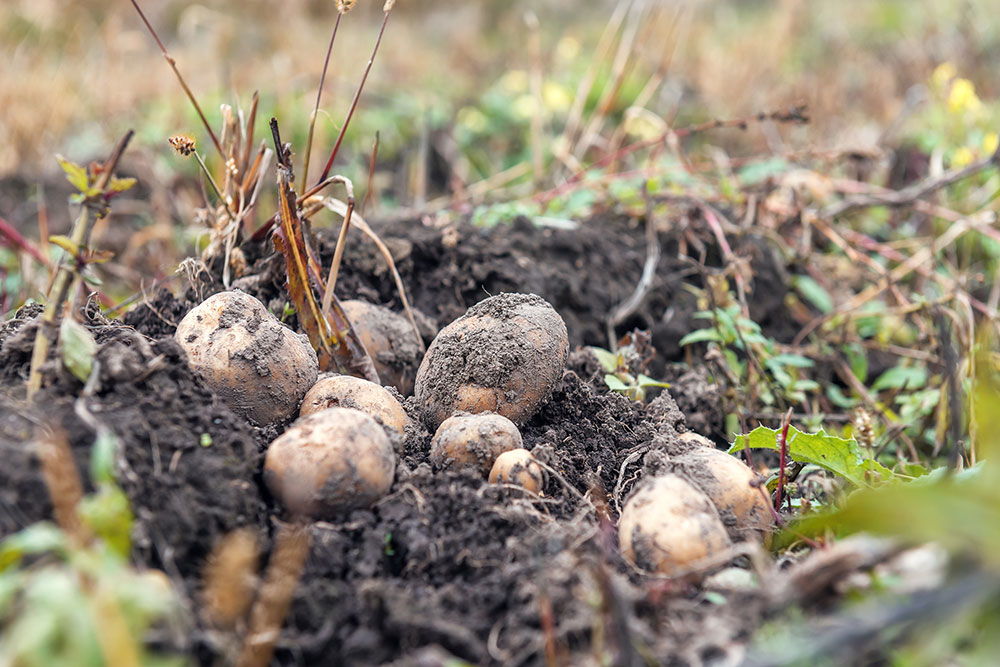
In 2020, Idaho didn’t see the usual late blight outbreak that growers deal with, and as a result, the cull piles are less likely to be a source of late blight for 2021. “Don’t get complacent,” said Curtis Rainbolt, technical services representative at BASF Corporation. “Don’t let your cull piles get too big, especially if we do not get a freeze. We did not have the late blight scare this year, but have to be as careful as ever in managing cull piles,”
 Beyond paying attention to late-season disease pressure, growers can also begin to think about next season’s potential problems based on what they’re seeing in waste. Rainbolt recommends that growers lean on University Extension personnel to identify any issues with pitting or rot so that growers know exactly what they might contend with next year.
Beyond simply knowing what diseases may persist into next year, these identifications are important for understanding seed treatments growers may need to provide or to help figure out when a chemistry rotation needs to be lengthened or shortened for better disease control. This means that growers will have a better idea of how much of each chemistry they need to order for the coming year.
All in all, growers should be in good shape going into 2021. “It’s going to shape up to be pretty favorable; yields are slightly above average and disease pressure is low, so quality should be good going into storage. Overall, we’re wrapping up season on a positive note,” Rainbolt said.
Other than being in contact with Extension personnel for local conditions, the region’s BASF field service representative is here to help growers understand the minutia around keeping potato crops healthy and robust. To learn more about the offerings BASF has for potatoes or to connect with your local representative, visit https://agriculture.basf.us/crop-protection/use-areas/crops/potato.html.