

2025 state seed reports
Growers in 13 major potato-producing states reported conditions ranging from ideal to challenging in 2025





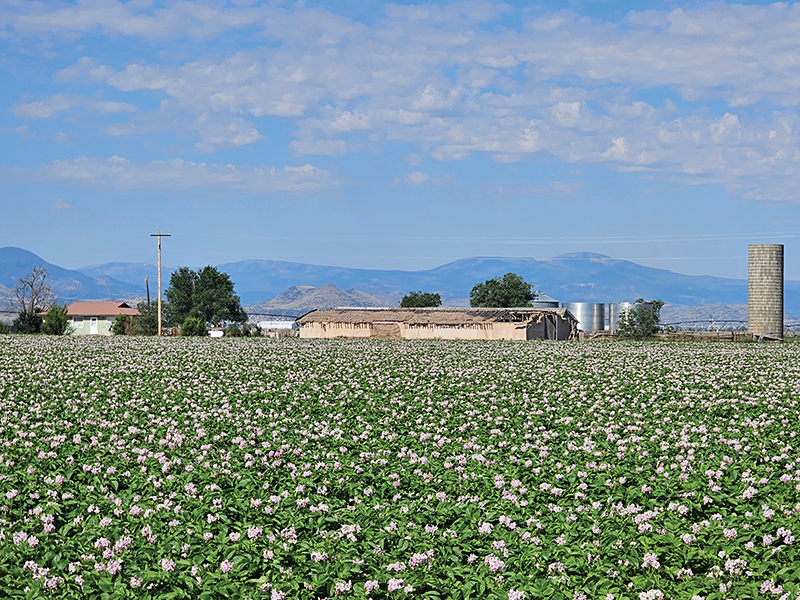
One state reported “phenomenal” yields, with growers concerned about running out of storage space.
CALIFORNIA
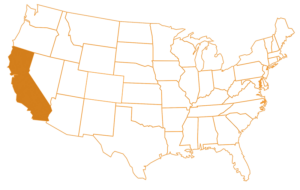
California has four major commercial potato production regions: the Klamath Basin, mostly for fresh, processing and seed potatoes; Kern County area, mostly for fresh, chipping and seed potatoes; the Delta Basin, mostly for seed potatoes; and the Desert Valleys for fresh potatoes.
According to the 2025 USDA acreage report, California’s total area planted to potatoes was about 20,000 acres in 2025. California Crop Improvement (CCIA) certified 415 acres of seed potatoes in 2025, with 96% of the certified seed potatoes produced in the Delta Basin and 4% in Kern County. On these acres, a total of 24 varieties were in the certification program.
Apart from proprietary varieties, the five varieties with the most acres were Red La Soda, Red La Soda NY 10, Russian Blue, Odett and Bodega Red.
The seed potatoes produced annually in the Klamath Basin close to the northern California border with Oregon were again inspected and certified by the Oregon Seed Certification Service under mutual agreement between our agencies. This year, one grower had 44.7 acres.
Field planting in Kern County region was from Dec. 17, 2024 to January 2, 2025. Field planting in the Delta Basin was from May 13, 2025 to June 20, 2025. CCIA field inspections in Kern County were from March 19, 2025 to April 10, 2025 and from June 27, 2025 to Aug. 13, 2025 in the Delta Basin.
— Ashley Koala, seed potato certification manager, California Crop Improvement Association
COLORADO

This growing season had a mix of cool spring, a warm and rainy July, and a rainy first half of September and October. Fortunately, the rainfall turned into sunny days during the peak of harvest.
Certified seed growers began killing vines in late July and continued through early to mid-August, limiting potential spread of virus by late season aphid flights. Overall, crop yields have been above average this year.
In 2025, Colorado certified seed potato acreage for sale, and grower plant-back was up from 8,119 acres in 2024 to 9,425 acres in 2025. The 2025 accepted certified acreage after summer field inspections was 8,960 acres, which is the most accepted acres we have had since 2018. Rejections were primarily the result of PVY/mosaic & blackleg.
Total potato acreage (both certified and commercial) in the San Luis Valley was 51,474, up from 50,188 acres in 2024.
The top six certified varieties were:
- Reveille Russet (2,611 acres)
- Russet Norkotah selections (2,444 acres)
- Canela Russet (457 acres)
- Soraya (429 acres)
- Teton Russet (339 acres)
- Alegria (371 acres)
Over 110 different potato varieties were entered into Colorado’s certified seed program this year. We certify a wide range of potato varieties, including multiple varieties of russets, reds, yellows, chippers, fingerlings and specialties.
All seed imported into Colorado is required to undergo a postharvest test, and a PVYN tolerance of 1.0% is in place for all incoming seed. Also, there is a late blight quarantine in effect for all seed coming into the San Luis Valley.
If you are planning on shipping any seed into the valley, a late blight test needs to be conducted by a qualified lab prior to shipment. Check our website for testing specifics on late blight quarantine requirements.
Seed certification will continue to take a closer look at using direct tuber testing to supplement the postharvest test. We used this test on the dormant variety Canela Russet in 2023 and 2024 with promising results.
The majority of our postharvest test will be taking place on the North Shore of Oahu, Hawaii, again this year. A postharvest test is required on all certified seed in Colorado, whether it is sold commercially or for recertification.
An official 2025 certified seed directory is posted online at potatoes.colostate.edu/programs/potato-certification-service/crop-directory/. Additional information on Colorado’s Certified Seed can be found on the Colorado Certified Potato Growers’ Association website at coloradocertifiedpotatogrowers.com.
— Andrew Houser, Manager, Colorado Potato Certification Services
IDAHO
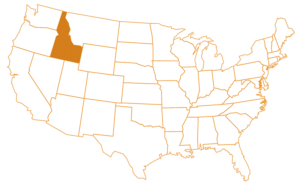
Seed potato acreage eligible for final certification in 2025 totaled 31,205 acres, a 2.9% decrease from the previous season. Excluding proprietary genetics, this acreage represents 129 varieties, selections and advanced clones.
The top 10 varieties accounted for 77% of total acres, with the leading types being:
- Russet Burbank (all strains) – 25%
- Russet Norkotah (all strains) – 22%
- Ranger Russet (all strains) – 10%
- Clearwater Russet – 8%
- Dakota Russet – 3%
Crop yield for 2025 is generally reported as good. Planting began on schedule, slightly earlier than usual in parts of eastern Idaho. Growth was excellent, with the crop running seven to 10 days ahead of normal. Harvest conditions have been warm and favorable, providing excellent digging conditions, and the seed potato harvest is largely complete at the time of this report.
Seed health in 2025 is comparable to last season. The percentage of seed lots with visually detectable PVY during field inspections declined to 5.6%. Blackleg incidence was very low, and once again there were no detections of potato leaf roll or bacterial ring rot. Overall, seed quality going into storage is reported as excellent, with the crop showing an excellent shape and size profile.
A complete listing of this year’s seed potato crop is available in the 2025 Idaho Certified Seed Potato Directory, posted on the ICIA website at www.idahocrop.com. Hard copies may also be obtained by contacting the ICIA Idaho Falls office.
— Alan Westra, ICIA SE area manager
MAINE

Maine’s seed potato industry remained stable for 2025, with 73 certified growers managing a combined 8,928 acres.
The total acreage under seed potato production has remained largely consistent over the past three years. Production activity remains centered in Aroostook County, home to the majority of growers, while smaller numbers operate in Penobscot, Lincoln and Piscataquis counties.
In total, 102 varieties or genotypes were planted across the state during the 2025 season, reflecting the industry’s continued diversity. As in the past few years, Caribou Russet (PVP) has dominated plantings, making up 15.2% of the total acreage.
Field inspections were carried out from early July through mid-September, ensuring compliance with state certification standards. Maine’s certified seed potatoes continue to reach a broad range of domestic and international markets.
The 2025 growing season presented notable weather challenges. Heavy rainfall in May delayed fieldwork but replenished soil moisture, followed by a prolonged stretch of warm, dry conditions throughout the summer and into early fall.
As the season winds down, the seed certification program is now focused on postharvest testing for regulated diseases and conducting soil sampling for potato cyst nematode (PCN) detection.
— Maine Department of Agriculture, Conservation and Forestry

Planting season started warm at the beginning of May but cooled and kept dry to stay on schedule without issue. Photo courtesy of Michigan Seed Potato Association.
MICHIGAN

The growers of the Michigan Seed Potato Association (MSPA) have 2,609.3 acres entered for certification from the 2025 growing season, a 75.3 acre increase from 2024.
The top five certified seed potato varieties by acreage were:
- Proprietary varieties, 865.81
- Manistee, 497.90
- Mackinaw, 238.80
- Reveille Russet, 178.70
- Lamoka, 165.52
Planting season started warm at the beginning of May but cooled and kept dry to stay on schedule without issue. Despite drought in lower Michigan, most growers in the Upper Peninsula and seed-growing regions Up North in the Lower Peninsula were grateful for adequate precipitation-easing irrigation.
The weather warmed and dried in August, lowering humidity. Vine kill started early for some growers, who were satisfied with their size, yield, and maturity and wanted to avoid late infestations of aphids.
With a few exceptional rainfalls localized to the western Upper Peninsula, the dryness of August continued into September, and for the third year, heat presented the greatest challenge to harvest. To avoid heat going into storage, growers worked in short morning, evening and night intervals. Yields and size are reportedly down, though tuber set, quality and seed health all look exceptional.
Postharvest test sample collection began Oct. 6 for an earlier winter grow-out planting date set for Nov. 16. Duplicate samples were also collected from over 2,000 acres of seed for direct tuber testing using PCR. These samples were subsampled by the MSPA and growers for testing by the Michigan Department of Agriculture Plant Pathology Lab for earlier reporting of estimated PVY incidence.
In Hawaii, both sets of samples will be grown and tested via visual inspections and ELISA leaf-testing to certify the seed potato lots of Michigan and expand validation of direct tuber testing.
— Michigan Seed Potato Association
MINNESOTA
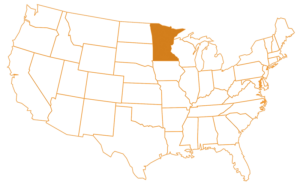
Certified seed potato growers in Minnesota applied to certify 6,416 acres for the 2025 crop year, a decrease of 645.25 acres from 7,061 acres in the 2024 crop year. In total, 5,689.8 acres were certified when subtracting 8.37 experimental acres and 717.7 rejected acres.
Most of the rejected acres were due to severe mosaic, and the remaining rejected acres failed to meet eligibility requirements. Russet Burbank remained the variety with the most acres planted, followed by Umatilla Russet.
The mild winter led to a comfortable spring, with most growers able to finish planting by early to mid-June. Minnesota Department of Agriculture (MDA) inspectors were busy, with three inspections conducted on all certified seed potato lots.
The beginning of the growing season started out warm. As the season continued, some parts of the state witnessed above average rainfall and flooding. The heat returned for August and September, delaying harvest some days.
Overall, growers reported the harvest produced average to below-average yields statewide with good quality.
The MDA Potato Inspection Unit uses a generation system and remains vigilant in detecting potato virus and other disease. The Certified Seed Potato Program continues to honor the USDA Animal and Plant Health Inspection Service memorandum of understanding for Necrotic Virus Management Plan.
MDA will be conducting the postharvest winter test on the North Shore of Oahu, Hawaii, again this year. Samples were collected in October at the office in East Grand Forks. The samples will be planted, and each lot observed visually for stand, vigor and potato virus. All positive potato virus visual observations are confirmed with a laboratory test.
Once complete, the results will be communicated to the growers and industry. For copies of the Minnesota Certified Seed Potato Directory please visit the Minnesota Department of Agriculture website at www.mda.state.mn.us/potato-inspection.
— Eric Byre, Plant Protection Program Supervisor
MONTANA
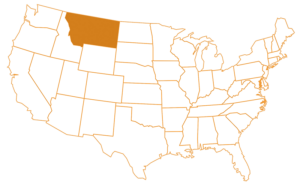
The 2025 crop year holds a special place for me as it marks my first year serving as director of the Montana Seed Potato Certification Program.
Montana’s seed potato production is distributed across three major districts. Among them, Gallatin County in District 3 experienced unusually high rainfall during the spring, leading to a delayed start to planting. In contrast, the other two districts were able to begin and complete planting earlier than in previous years, both finishing by mid-May, while District 3 completed planting by mid-June.
The growing season that followed was characterized by dry conditions and moderate temperatures statewide. Most growers completed harvest by the first week of October, reporting excellent yields, good tuber size and overall high-quality seed.
For the 2025 crop, Montana certified a total of 10,702 acres, representing a 2.4% decrease compared to 2024. The major varieties grown across the state were Russet Burbank (2,981 acres), Clearwater Russet (1,942 acres), Umatilla Russet (1,244 acres), Ranger Russet (927 acres) and Alturas (702 acres).
While acreage for most major varieties declined compared to 2024, Alturas was the exception, showing a 17% increase from the previous year and a 7% overall increase over the past five years. Russet Burbank remains the dominant variety grown in Montana, though its acreage has declined by approximately 15% over the past five years. Clearwater Russet acreage decreased by 13%, Umatilla by 9.8% and Ranger Russet by 10.1% compared to 2024.
Russet Norkotah selections accounted for 1,184 acres, down 5.9% from 2024. However, the Texas 278 line saw a significant increase to 736 acres, which is a 22.7% rise compared to last year.
Specialty varieties, including red, purple, yellow and fingerling types, represented 237 acres, maintaining a small but stable portion of Montana’s certified seed acreage. Chip-processing varieties Atlantic, Lamoka and Snowden accounted for 260 acres and continued their upward trend compared to recent years.
— Artira Roy Choudhury, director, Montana Seed Potato Certification Program
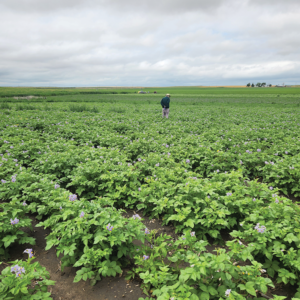
Acres entered for seed certification in Nebraska for the 2025 crop totaled 8,076.8. The growing season was warm, with the occasional storm rolling through. Photo courtesy of Potato Certification of Nebraska.
NEBRASKA
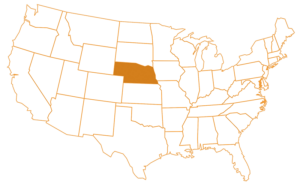
Acres entered for seed certification in Nebraska for the 2025 crop totaled 8,076.8. This was a slight decrease from the 2024 crop (8167.3 acres).
A dry winter led into a fairly dry and windy spring. A few spring storms delayed planting in some areas, but all crops got in the ground in decent time. The growing season was a warm one, with the occasional storm rolling through. Some areas of the state saw significant rain at times during the growing season, and some saw storm damage early on but generally fared well. Yields look good as harvest continues.
The five most common varieties grown (in order) were:
- Frito Lay Varieties – 2,900 acres
- Russet Norkotah – 941 acres
- Reveille Russet – 482
- Umatilla Russet – 457 acres
- Lamoka – 319 acres
Samples from lots began arriving at the PCAN office on Sept. 22 for the postharvest test. These samples are being incubated in a warm, humid environment until they are sent to the winter grow-out in Waialua, Hawaii. Planting will occur in mid-November and readings/virus testing in December.
— Jenn Dillinger, manager, Potato Certification of Nebraska
NEW YORK
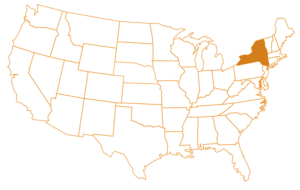
Certified seed potato acres in New York State for 2025 was 835.2 total acres inspected, a 5% increase from 2024. Lamoka and Bliss (NY 163) accounted for about half of the acreage inspected, with Snowden and Waneta representing another 18% of the total acres.
The 2025 growing season brought exceptionally challenging conditions. A cold, wet spring delayed planting in many areas and slowed early crop emergence. Once crops were established, the weather pattern shifted sharply, with July and August turning hot and dry across much of the state. The abrupt transition placed significant stress on the crop.
Without irrigation, tuber development suffered — many fields produced smaller potatoes and reduced yields. Even experienced growers commented on the difficulty of the season, with one noting that 2025 ranked among the top five worst years he has experienced farming. Growers with irrigation managed to maintain crop quality, but overall production was below average statewide.
For the third year, New York Certified potato crop winter test will be performed by the Maine Potato Disease Lab instead of a grow-out in Hawaii. We have found that lab testing is a better tool for measuring tuber health and heading off latent disease issues.
— New York Seed Improvement Project
NORTH DAKOTA
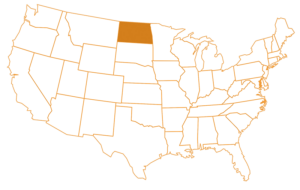
The 2025 crop of North Dakota certified seed experienced minor delays during planting due to variable hot and cold weather. Quality for shorter season dryland varieties was above average and growers reported average to slightly below average yields. Longer-season varieties on irrigated fields had average yields.
The growing season was exceptionally wet and cool. The excess moisture (often erratic) caused isolated quality issues such as growth crack and secondary growth.
Twenty North Dakota certified seed growers entered acreage this year. Four hundred and eighty-two lots, accounting for 11,993.41 acres, were entered into the program this spring. Foundation class eligibility (≤0.3% PVY in summer field readings) dropped to 9,528 acres following summer field inspections.
Of the 11,993.4 acres entered, 2,317.2 acres were eligible as certified class only (0.4% to 2% PVY in summer field readings). Twenty-one acres were ineligible for either foundation or certified class due to PVY being in excess of 2% in summer field readings. Early generation seed lots planted in isolation inspected free from viruses. These seed lots provide the basis for future North Dakota seed production.
North Dakota State Seed Department seed stock staff harvested an excellent greenhouse minituber crop in June and October, providing a clean seed source for future crops of certified seed. Seed stock staff is also experimenting with the use of alternative growth media for these seed stocks, such as coconut coir, in order to reduce the risk of infection from powdery scab (Spongospora subterranean).
The North Dakota seed potato industry experienced a massive increase in yellow acres in 2025 over 2024. In 2024, 390.9 acres of yellow certified seed potatoes were grown in North Dakota; in 2025, that number increased to 717.2 acres.
Fontane, a long-processing variety of Dutch origin, is the main contributor to this growth. Between 2024 and 2025 acreage for this variety grew substantially, from 29.7 acres in 2024 to 192 acres in 2025. Agristo, a Belgian family-owned company that specializes in the production of frozen potato products, is driving this expansion. A new Agristo processing plant, scheduled to break ground in spring 2026 in Grand Forks, will heavily utilize this particular variety.
The introduction of yellow varieties in general, and Fontane in particular, to the North Dakota Seed Potato Industry is a reason for hope. Fontane is an early maturing variety with high yield potential and is suitable for dryland production. Though not strongly resistant to PVY, it has demonstrated a higher level of tolerance to the disease than other commercial potato varieties, such as Yukon Gold. North Dakota State Seed Department potato inspectors often mention the variety’s uniformity in both the plants and tubers.
— Adam Winchester, director of potato programs, North Dakota State Seed Department
OREGON
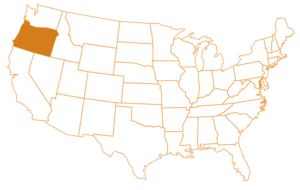
Oregon Seed Certification Service (OSCS) certified 2,747 acres of seed potatoes (pending postharvest testing) which broke our five-year trend of increasing acres each year. There were three lots rejected for not being eligible for recertification; however, none were rejected in field inspections.
Our grower directory can be found at seedcert.oregonstate.edu/potatoes.
Oregon had a fairly favorable growing season with fewer days of smoke cover than previous years. The south and far east enjoyed some rain through the growing season, and though it did come with a little hail, it didn’t greatly damage any fields. The fall has been pleasant with a few days of rain and few freezing temperatures.
The variety with the most acres this year was Lamoka, bypassing Clearwater Russet by 52 acres with a total of 450. The top five include Clearwater Russet, Waneta, Frito Lay lines and Ciklamen.
Our growers have continued to produce a range of potato types including chippers, russets and specialty/heirlooms. The majority of our seed this year was sourced from Nebraska seed at 53%, with most of the source generation being FY2 and FY3.
Oregon has consistently had four growing areas. The largest area is the Klamath Basin, with five growers and around 1,100 acres of certified seed produced. This area, unlike the other three, has commercial potatoes grown in closer proximity, making seed production more challenging. Other areas include Central Oregon in Jefferson County, Columbia Basin in Gilliam County and Eastern in Union County.
Oregon continues to complete the postharvest test in greenhouses. This allows the potatoes to be planted once they have completed the dormancy-breaking process and reduces the environmental effects of growing outside.
Last year, direct tuber testing was offered as an additional test, and we continue to offer ELISA leaf sampling. In addition to quality grow outs with excellent germination, our growers appreciate being able to easily travel to the facility and observe their tubers in person. All lots in Oregon are required to have a postharvest grow out to be eligible for re-certification.
— Tami Brown, Oregon Seed Certification Service
WASHINGTON
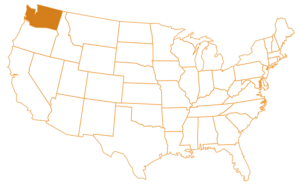
A total of 2,989 acres of seed potatoes entered certification during the 2025 growing season, representing a 134-acre decrease from last year.
Top varieties grown included:
- Ciklamen, 308 acres
- Russet Burbank, 240 acres
- Chieftain, 190 acres
The total acres planted include 146 different potato varieties ranging in size from partial-acre plots to 65-acre fields. Most seed lots are less than 20 acres and include numbered clones, table stock, processing and heirloom varieties.
Digging was finished around the third week of October. In Eastern Washington, growers had a nice spring planting season with reduced acreage, and the growing season was nearly ideal with not too many extremes. Harvest time schedule proceeded on time, and growers saw a good quality seed crop coming in with a nice profile.
Western Washington growers had no issues other than always fighting to get tubers out of the ground before it starts raining for the season. Rain has been weirdly intermittent, so harvesting was off-and-on but progressing quickly.
Due to labor expenses, growers have invested in sophisticated harvesting and grading equipment. This has not only cut down on labor but also speeds up the harvest process dramatically.
Quality has been very good. Some common scab has appeared in old dairy ground, but that is always anticipated and managed appropriately. Yields have been phenomenal, with growers concerned about running out of storage space.
Washington State Certified seed growers are in the process of submitting seed lot samples for the postharvest test that will continue in Hawaii.
— Benita Matheson, Field Operations Manager, Washington Department of Agriculture
WISCONSIN

Wisconsin seed potato growers entered 9418.3 acres for certification during the 2025 growing season. Acreage was down 269.3 from 2024 yet consistent with the average acreage over the past decade.
Top six certified potato varieties:
- Proprietary varieties: 2,884 acres
- Atlantic: 836.3 acres
- Lamoka (PVP): 807.4 acres
- Silverton Russet (PVP): 539 acres
- Snowden 480.4 acres
- Caribou Russet (PVP): 441 acres
Silverton remains a strong fresh-market russet; however, approximately 100 fewer acres were planted this season. Reveille Russet continues to gain interest in the state, with an additional 50 acres planted, while the acreage of the chipping varieties Manistee and Mackinaw remained stable to slightly lower.
Spring weather provided favorable conditions for a mid-May to mid-June planting season. Between seasonal rainfall, and especially during drier periods, growers utilized irrigation.
Vine-killing occurred on a similar to slightly earlier schedule compared to previous years, with growers focused on aphid movement to mitigate late season Potato Virus Y (PVY) infection.
The harvest season began in early to mid-September but was initially slow due to unseasonably warm temperatures. Favorable weather later in the season allowed harvest to finish up by mid-October.
Wisconsin Seed Potato Certification inspectors observed excellent tuber quality and size across most seed potato lots, with average to above-average yields reported. A small number of seed lots were downgraded (foundation to certified) or rejected following field inspections. No late blight was detected during field inspections.
Wisconsin Seed Potato Certification staff are actively collecting and gassing seed potato lot for the upcoming postharvest season. PVY-latent varieties will be grown in the program’s greenhouses, while those expressing PVY will be shipped to Hawaii. A combination of visual inspections and ELISA testing will be used to certify postharvest seed potato lots.
The team also continues to advance direct tuber testing (DTT) through ongoing survey efforts. Results from both 2023 and 2024 support DTT as a valuable postharvest testing tool, strengthening the program’s commitment to disease-free, high-quality seed production.
— Brooke Babler, Associate Research Program Director of Wisconsin Seed Potato Certification Program